
Join us in our mission to protect Point Lobos State Natural Reserve

Our mission is to protect and nurture Point Lobos State Natural Reserve, to educate and inspire visitors to preserve its unique natural and cultural resources, and to strengthen the network of Carmel Area State Parks. The Point Lobos Foundation (EIN 94-2546064) is the sole source of funding for the model volunteer program, protects the Reserve’s environmental health and historical integrity by funding work on trails, facilities and vegetation, and continuously strives to improve programs and services for approximately one million visitors each year.

Join us in our mission to protect Point Lobos State Natural Reserve

Our mission is to protect and nurture Point Lobos State Natural Reserve, to educate and inspire visitors to preserve its unique natural and cultural resources, and to strengthen the network of Carmel Area State Parks. The Point Lobos Foundation (EIN 94-2546064) is the sole source of funding for the model volunteer program, protects the Reserve’s environmental health and historical integrity by funding work on trails, facilities and vegetation, and continuously strives to improve programs and services for approximately one million visitors each year.

Enjoying Point Lobos Safely

5 Tips for a Safe and Respectful Visit

Whether you’re a first-time visitor or a long-time admirer, these essential tips will help protect the Reserve and enhance everyone’s experience.

Parking within the Reserve is limited and fills quickly. When parking outside the entrance:

  • Do not park illegally on the shoulder of Highway 1. This is dangerous and subject to ticketing.
  • Use only designated pullouts and park completely off the roadway where allowed.
  • Avoid making illegal U-turns or stopping suddenly in traffic to grab a spot.
  • Parallel park on the shoulder; diagonal parking creates hazardous backing conditions.
  • Do not block driveways or create congestion in nearby neighborhoods.

If you park outside the Reserve and plan to walk in:

  • Walk single file as far from traffic as possible.
  • Stay alert—watch for traffic and vehicles pulling in and out of spaces.
  • Keep children close and safe at all times.

To avoid crowds and congestion:

  • Plan your visit early in the morning or later in the afternoon.
  • Weekdays tend to be quieter than weekends and holidays.

Point Lobos is a fragile and protected environment:

  • Stay on designated trails to protect plant life and prevent erosion.
  • Pack out everything you bring in—including biodegradable items like fruit peels.
  • Do not feed or approach wildlife. It can be harmful to both animals and people.

Help preserve the Reserve’s natural beauty:

  • Keep voices low to maintain the tranquility of the area.
  • Drones are not permitted within the Reserve.
  • Do not carve into or write on trees, benches, or rocks.
  • Dogs are not allowed in the Reserve or in vehicles (service dogs accepted).

Thank You for Being a Thoughtful Visitor

Every person who visits Point Lobos plays a part in preserving this extraordinary place. By planning ahead, following the rules, and setting a positive example, you help protect the Reserve’s beauty and safety for future generations.

From all of us at the Point Lobos Foundation—thank you.
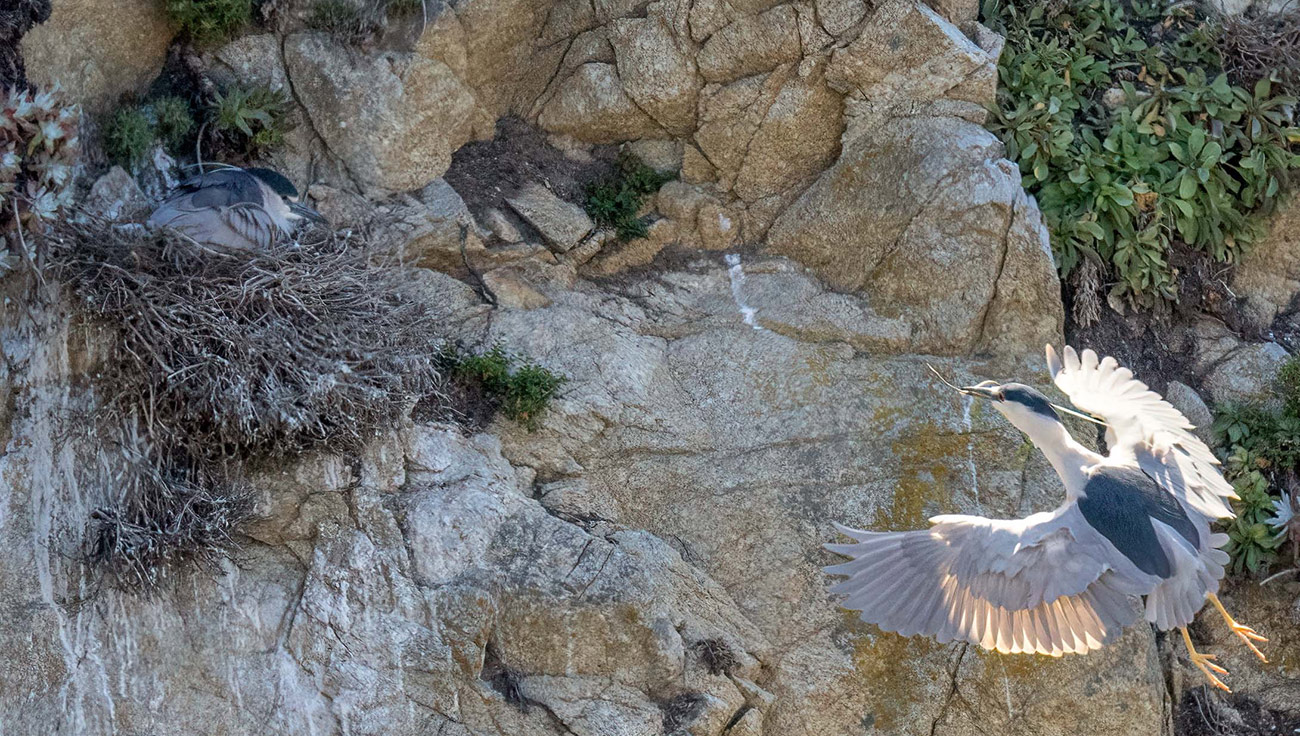
Point Lobos Reserve nesting-black crowned night herons. Photo credit: Susan Lambert

Point Lobos Reserve nesting-black crowned night herons. Photo credit: Susan Lambert.

We reduce the impacts on the protected area through strategic planning initiatives.

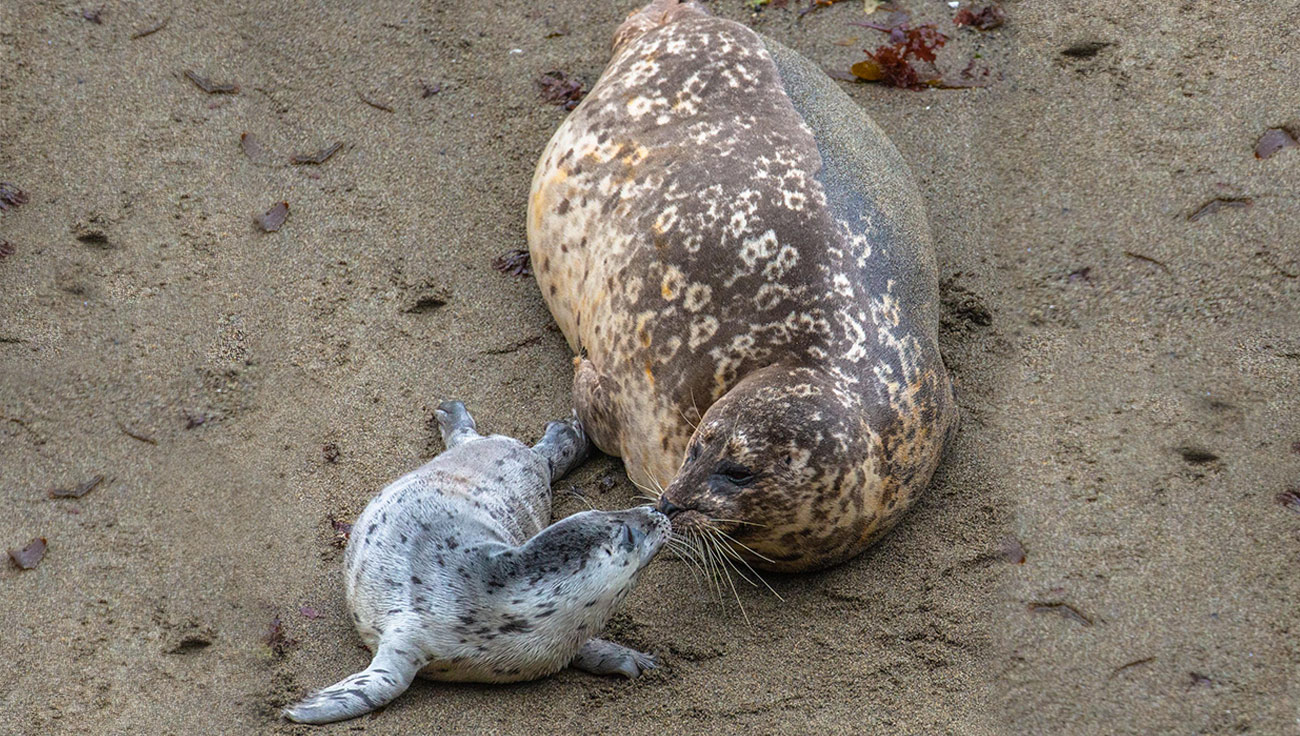
Photo of Mom and pup seal at Point Lobos State Natural Reserve. Photo credit: John Drum.

Mom and pup seal at Point Lobos State Natural Reserve. Photo credit: John Drum.

We eliminate actions that degrade delicate ecosystems and cultural areas within the Reserve.

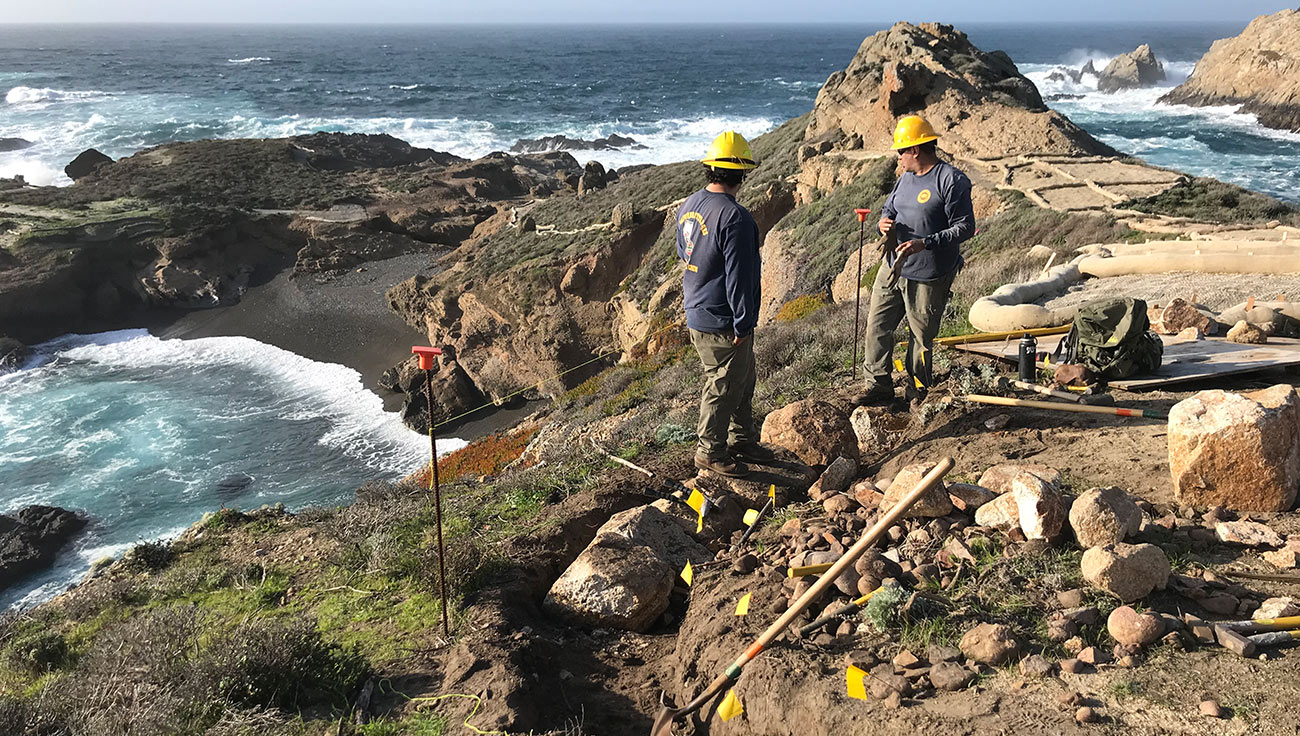
Restoration at Sea Lion Point in Point Lobos State Natural Reserve.

We restore native habitat.

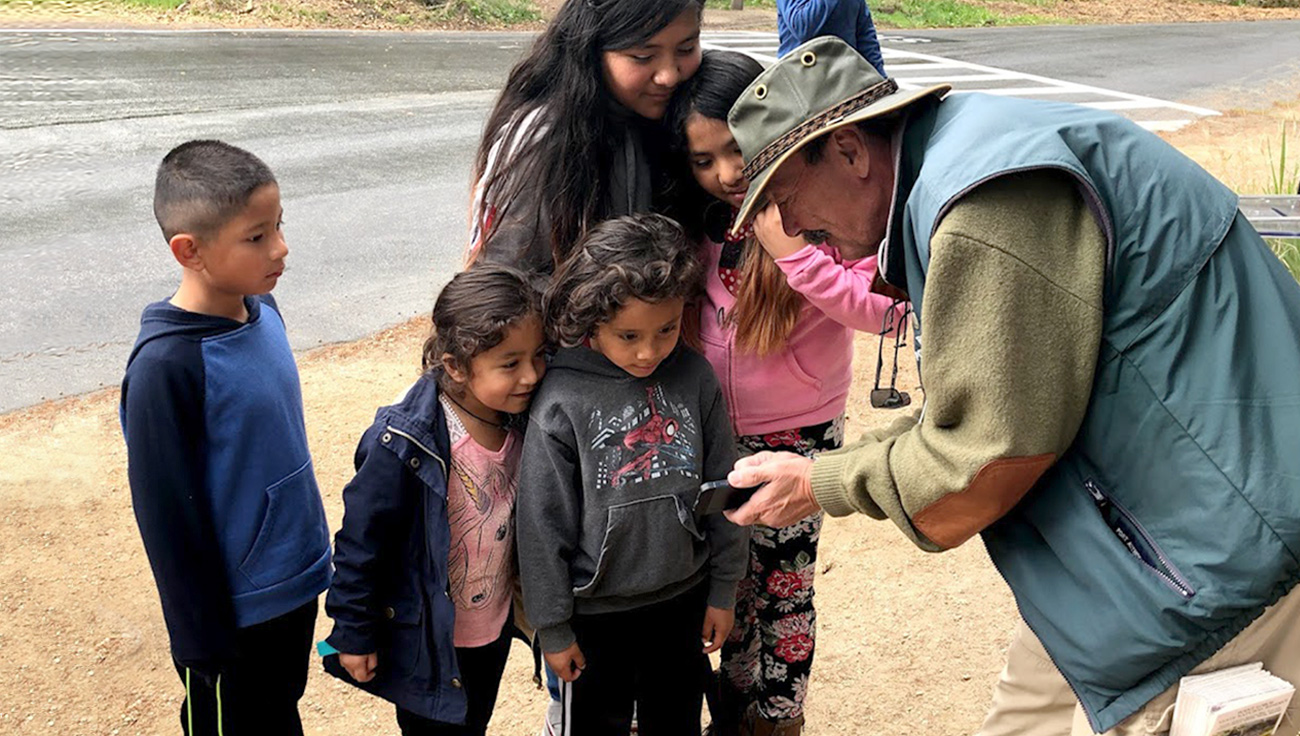
Photo of PLF Docent helping family at Point Lobos State Natural Reserve. Photo credit: Scott Whitman.

PLF Docent helps family at the Reserve. Photo credit: Scott Whitman.

We improve public awareness of best practices to steward the land.

What is a Reserve? The special purpose of a reserve is to forever protect an area of unique natural beauty and ecological significance. Afforded a higher level of protection, visitors are expected to protect this landmark for future generations. Please stay on marked trails, do not remove or collect natural objects and avoid approaching or disturbing animals.

Latest News
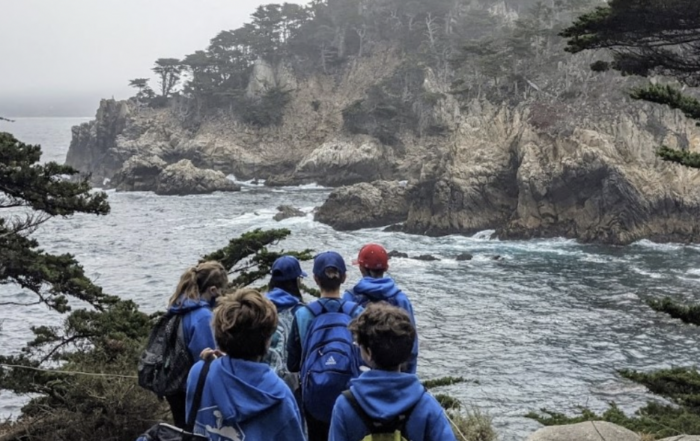
  • whalers cove view from under water

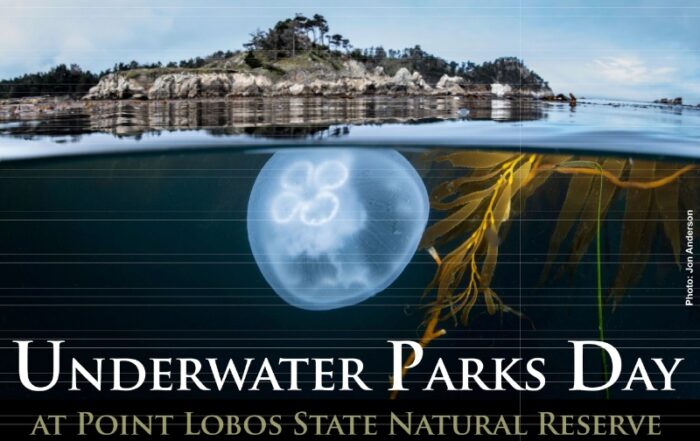
WORLD OCEAN WEEK

June 3rd, 2024|

Let’s Go Scuba Diving for World Ocean Day! – 06/07/2024 09:00 AM   Join the State Parks Dive Team as we explore unique underwater habitats and meet some of the interesting animal species that live [...]
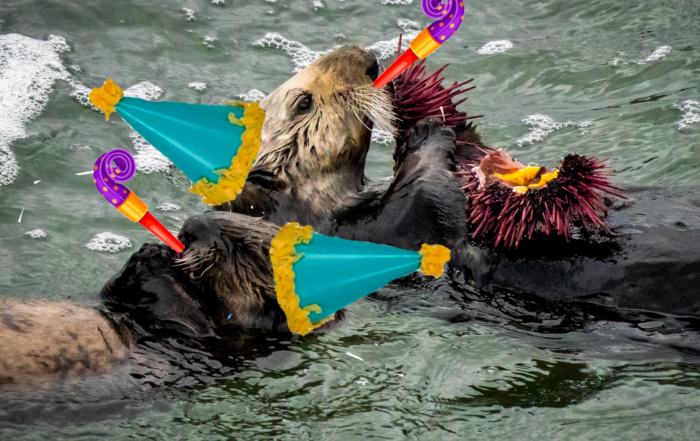
Happy Birthday PLF

February 7th, 2024|

On February 7, 1979, articles of incorporation were filed to the Point Lobos Natural History Association, which is now known as the Point Lobos Foundation. The history of the organization dates back to 1978 as [...]
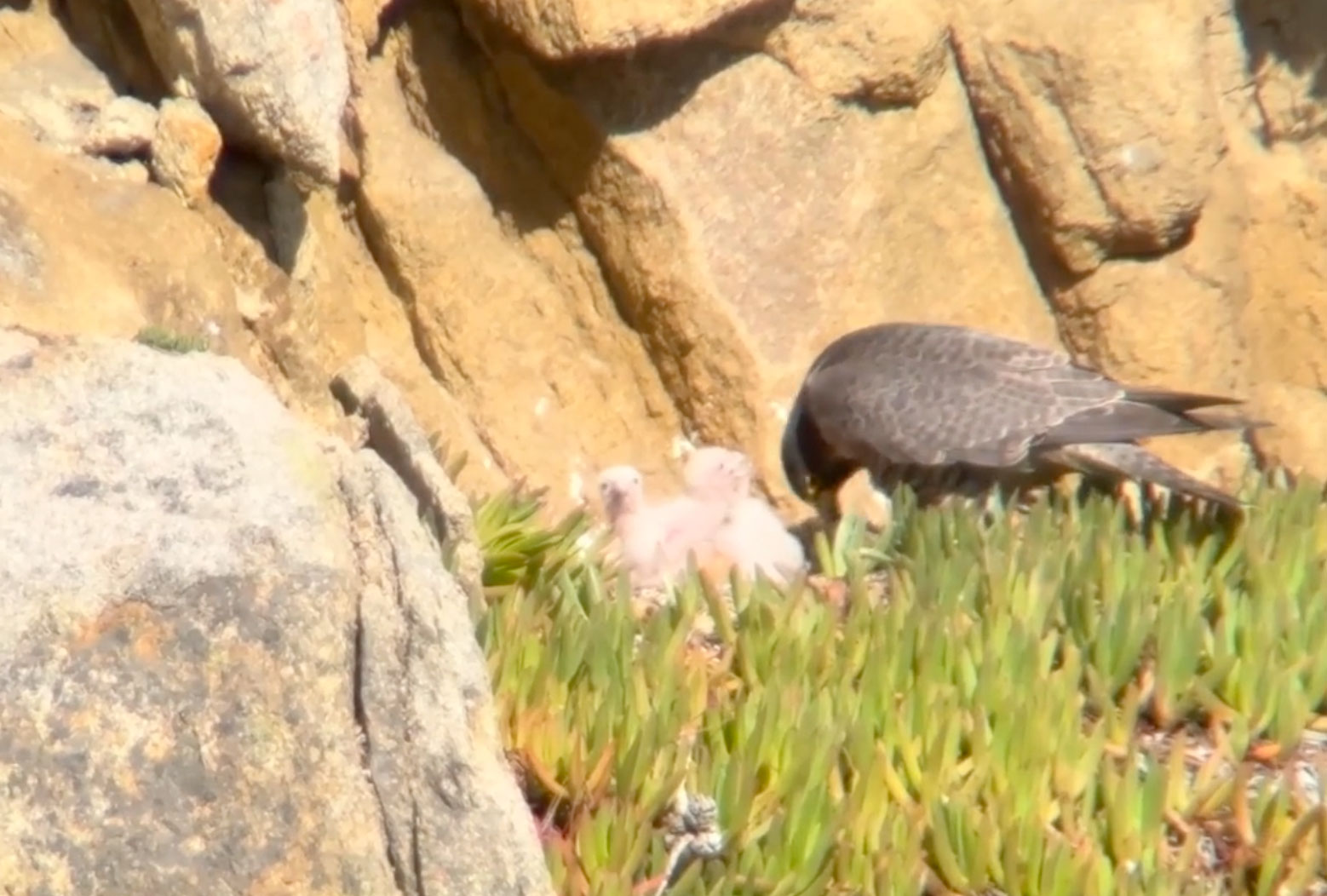

Peregrine Falcon Nest at Point Lobos State Natural Reserve 2026

Photo representing the video "Peregrine Falcon Nest at Point Lobos." Credit: Yvonne Wright

Photo/video credit: Yvonne Wright.

Shop to Support the Foundation

Long considered the “crown jewel” of California’s 280 state parks, Point Lobos State Natural Reserve is a magnet for nature lovers around the world.

100% of the profit of every sale funds trails and facility maintenance, supports vital education programs and the volunteer docent program at Point Lobos State Natural Reserve, and helps to strengthen the network of Carmel Area State Parks.

Why the Point Lobos Foundation Matters

We’re preserving the Greatest Meeting of Land and Water in the World.

The purpose of Point Lobos State Natural Reserve is to forever protect this majestic peninsula of natural beauty and ecological significance. The Point Lobos Foundation is the sole source of funding for the model volunteer program, protects the Reserve’s environmental health and historical integrity by funding work on trails, facilities and vegetation, and continuously strives to improve programs and services for approximately one million visitors each year.

Rainbow over Whalers Cove. Photo credit: Jan Stewart.